
What is PCOS?
PCOS, or polycystic ovarian syndrome, is a hormonal condition that can affect various parts of our body. It occurs during the reproductive years. Multiple small sacs of fluid (cysts) form on the outer edges of the ovaries. No exact cause is known, but poor diet, sedentary lifestyle, and stress are believed to contribute.
What are the factors?
- Insulin resistance. When regularly ingesting too much sugar, cells can become resistant to insulin. This will cause your blood glucose (sugar) to go up, resulting in extra insulin production. Over production of insulin can then cause too much production of androgen- a male hormone that can affect ovulation.
- Androgen. Androgen is produced by the ovaries. When this interferes with ovulation, the eggs aren’t developed and released on a regular basis. Androgen is also responsible for the excessive hair and acne.
- Heredity and low-grade inflammation, such as in injury or infection, are also factors.
Symptoms
- Irregular periods
- Trouble getting pregnant
- Excessive facial/body hair
- Acne
- Weight gain
Complications
PCOS comes with a slew of complications. These include infertility, gestational diabetes (diabetes that develops and is only present during pregnancy), gestational hypertension, miscarriage, liver inflammation, metabolic syndrome (increased blood pressure, diabetes, and increased cholesterol), type 2 diabetes, depression, sleep apnea, endometriosis, cancer, and obesity.
Want to know a scary fact? More than half of women diagnosed with PCOS will develop type 2 diabetes by age 40. That is straight from the CDC website. Type 2 diabetes is the lesser of the two evils, though it is still something to take very seriously. Obesity, lack of physical exercise, and insulin resistance are very common causes for the development for T2D. With that being said, losing weight and eating properly can greatly reduce the chances of developing T2D, as well as put the condition into remission. If you develop diabetes, whether related to PCOS or not, you will have to monitor your blood sugar for the rest of your life, if you’re wanting to stay on top of your health.
How is PCOS diagnosed and what are the treatment options?
The most common test for diagnosing PCOS is an ultrasound. Other tests may include a pelvic exam and labs to test your hormone levels.
Treatment includes:
-Lifestyle changes (healthy weight, exercise, diet, stress)
-Medications (Metformin, fertility medications such as famara and chlomid)
Now that you have the run down on what PCOS is, why am I writing about it and what are some things we can do to make it better?
Here’s my story. I’ve always considered myself a pretty average person, at one point being quite athletic. I’m now 32 years old and still love to play outside, kayak, hike, sports, anything energetic. My diet has been inconsistent. While I do love healthy food, I also love junk food. Plus, the world is just now fighting back against processed foods, dyes, etc. which is fantastic. I do admit that I put myself through the ringer when it comes to stress in my early twenties. The lack of sleep, staying in a bad environment, working myself to death, snacking on anything I could while working myself to death. I, like many other young women, pushed myself too far. After having 3 miscarriages following several rounds of fertility medicine over a course of 6 years, I was finally diagnosed with PCOS via ultrasound.
I’ve experienced it all. Weight gain, infertility, random facial hairs. My doctors did the routine treatment with metformin. It wasn’t until my primary care doctor learned that spironolactone, a diuretic, has been helping women with PCOS, that things changed. I took this medication for one month and followed a specific diet for that same one month and became pregnant with my blessing-my son. And I had a perfect pregnancy and an amazingly healthy little boy. So, things can turn around if you’ve been 1 in 4 women to experience a miscarriage or infertility. I’m sure things are different for everyone and there are women with much more challenges than me. But please do not give up fighting.
Diet recommendations.
These recommendations are from the John Hopkins website and are the same foods I chose/avoided while sticking to a strict diet the month before getting pregnant.
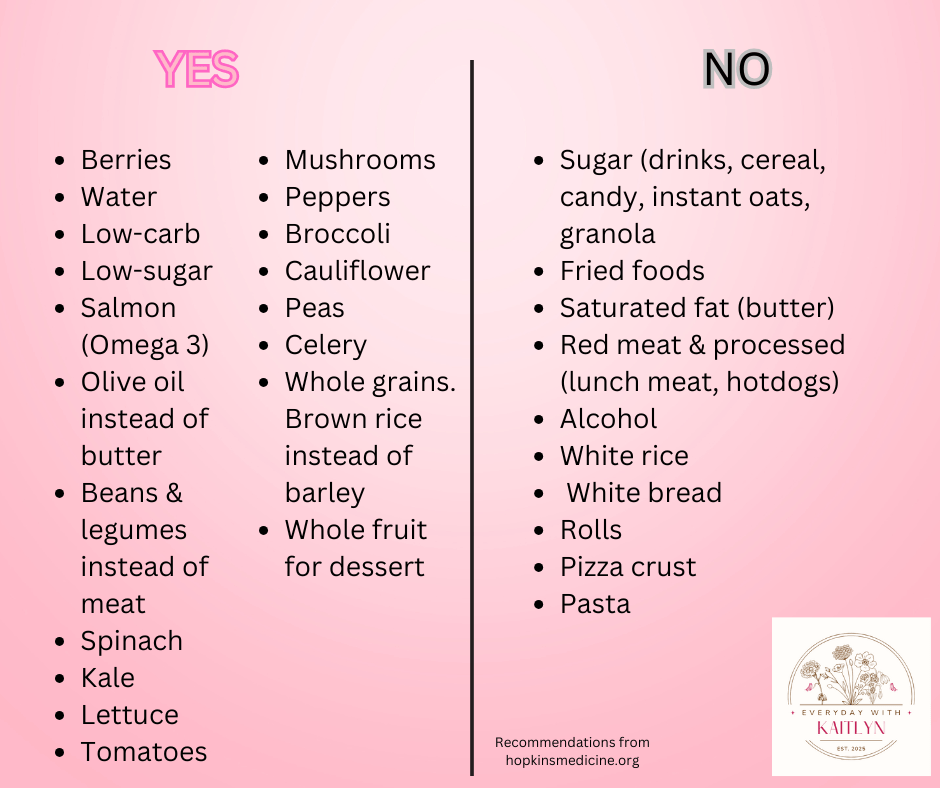
It is important to not eliminate all carbs. Low-carb is beneficial and search for complex carbs such as vegetables and whole grains.
The Mediterranean Diet
The Mediterranean Diet is highly recommended for PCOS. And it’s tasty! It’s basically a healthy diet based off of all the recommendations above.
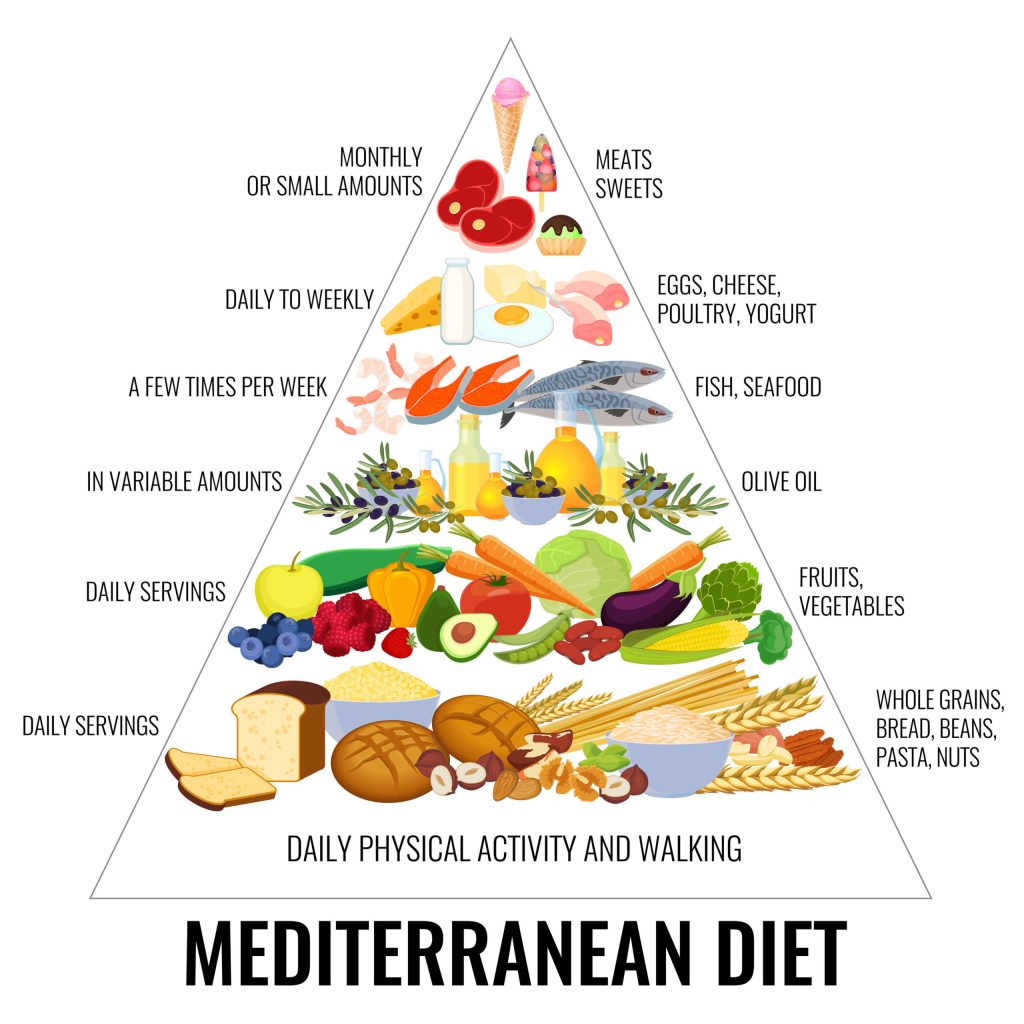
Another plus to this diet is that, if you strictly follow it and only buy what you need, you will save money cutting out sweets, excessive carbs, and other items that our bodies truly do not need. Think of all the things you could do with a little extra money.
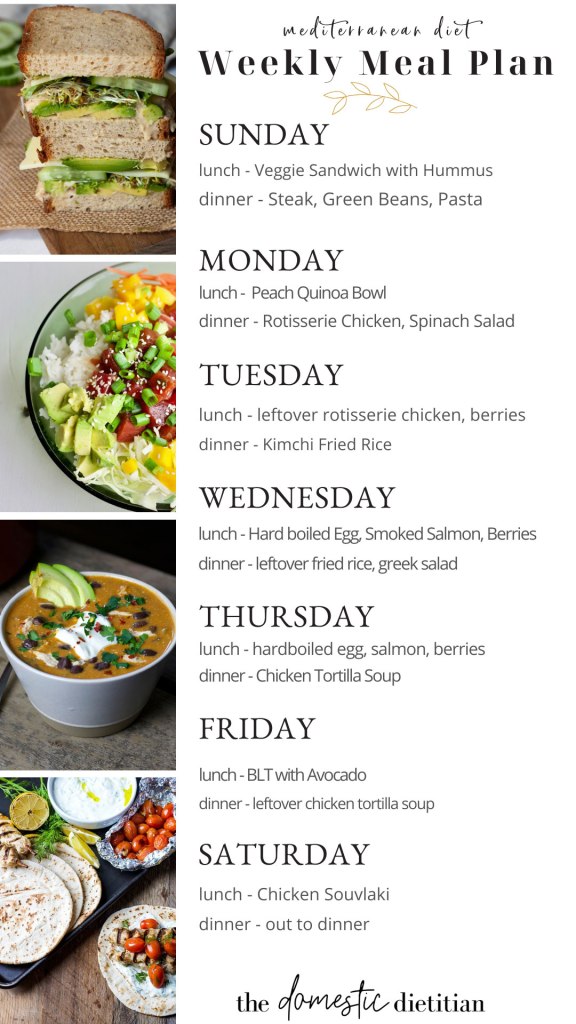
You can find tons of information online. There are pages on Instagram and other blogs. Here is a weekly meal plan from thedomesticdietician.com. Click on the photo to go to their page and read more.
You can also read more about the Mediterranean Diet on Cleveland clinic’s website.
Conclusion
PCOS is complex. It can target anyone. But there are things we can do to try to prevent it or slow it down. If you have any of these symptoms or concerns, please reach out to your doctor. They can and will help you. It may not happen overnight. After I was diagnosed in 2018, I still didn’t get pregnant with a successful pregnancy until 2022, during my RN school finals of all times. And I have had another miscarriage since then.
So, what can we do? Follow strict diets. Reduce our stress. Get exercise. Do lots of research. Take our medication. The information is out there. Reach out to people who also struggle with PCOS. You may be surprised at how many people around you also have this condition. Don’t be afraid to ask personal questions. We can help each other.

Sources: Cleveland Clinic, Mayo Clinic, The Domestic Dietician, Myself <3.
Let’s open a discussion!
Have you been diagnosed with PCOS? Do you think you have it but haven’t been diagnosed? What are some personal stories you have about it? How did you find out? Who else do you know has PCOS? What treatment options are working for you? Do you have any questions for me? Use the comment box below. We can help each other <3.


Leave a comment